


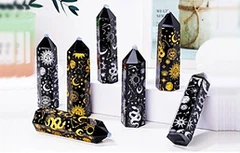





Can crystal carvings be polished? This is a question that often arises among collectors, artisans, and those interested in the beauty of crystal carvings. As a supplier of crystal carvings, I have encountered this query numerous times and have gained valuable insights through my experience in the industry. In this blog post, I will delve into the topic of whether crystal carvings can be polished, exploring the process, benefits, and considerations involved.
Understanding Crystal Carvings
Before we discuss the polishing of crystal carvings, it is essential to understand what crystal carvings are. Crystal carvings are intricate works of art created by skilled artisans who shape and sculpt crystals into various forms, such as figurines, sculptures, and decorative objects. These carvings can be made from different types of crystals, including amethyst, black obsidian, and many others. Each crystal has its unique properties, colors, and characteristics, which contribute to the overall beauty and value of the carving.
For example, Amethyst Carvings are highly sought after for their stunning purple hues and spiritual significance. Amethyst is a type of quartz that is known for its calming and protective properties. Black obsidian, on the other hand, is a volcanic glass that is valued for its deep black color and grounding energy. Black Obsidian Carving are often used for their protective and cleansing qualities.
The Polishing Process
Polishing is a process that involves smoothing and refining the surface of a material to enhance its appearance and shine. When it comes to crystal carvings, polishing can be a delicate and intricate process that requires skill and expertise. The goal of polishing a crystal carving is to bring out its natural beauty, highlight its unique features, and create a smooth and reflective surface.
The first step in the polishing process is to clean the crystal carving thoroughly to remove any dirt, debris, or contaminants. This can be done using a mild soap and water solution or a specialized crystal cleaner. Once the carving is clean, it is ready to be polished.
There are several methods that can be used to polish crystal carvings, depending on the type of crystal and the desired finish. One common method is to use a polishing compound, which is a fine abrasive material that is applied to the surface of the crystal using a soft cloth or a polishing wheel. The polishing compound helps to remove any scratches or imperfections on the surface of the crystal and creates a smooth and shiny finish.
Another method that can be used to polish crystal carvings is to use a diamond polishing pad. Diamond polishing pads are made with diamond particles embedded in a resin matrix, which makes them very effective at polishing hard materials such as crystals. The diamond polishing pad is applied to the surface of the crystal using a polishing machine or a hand-held tool, and it is moved in a circular motion to create a smooth and even finish.
Benefits of Polishing Crystal Carvings
Polishing crystal carvings offers several benefits, both aesthetically and functionally. Here are some of the key benefits of polishing crystal carvings:
- Enhanced Appearance: Polishing a crystal carving can significantly enhance its appearance by bringing out its natural beauty and shine. A polished crystal carving will have a smooth and reflective surface that will catch the light and create a stunning visual effect.
- Increased Durability: Polishing a crystal carving can also increase its durability by removing any scratches or imperfections on the surface of the crystal. A smooth and polished surface is less likely to chip or break, which can help to protect the carving and extend its lifespan.
- Improved Cleanability: A polished crystal carving is easier to clean and maintain than an unpolished one. The smooth and shiny surface of a polished crystal carving makes it less likely to attract dirt and debris, and it can be easily wiped clean with a soft cloth.
- Higher Value: Polished crystal carvings are generally more valuable than unpolished ones. The enhanced appearance and durability of a polished crystal carving make it more desirable to collectors and buyers, which can increase its market value.
Considerations When Polishing Crystal Carvings
While polishing crystal carvings can offer many benefits, there are also some considerations that need to be taken into account. Here are some of the key considerations when polishing crystal carvings:
- Type of Crystal: Different types of crystals have different hardness and density, which can affect the polishing process. Some crystals, such as amethyst and quartz, are relatively hard and can be polished using a variety of methods. Other crystals, such as calcite and gypsum, are softer and more delicate, and they require a more gentle polishing method to avoid damaging the crystal.
- Carving Design: The design of the crystal carving can also affect the polishing process. Intricate carvings with detailed features or sharp edges may require a more careful and precise polishing method to avoid damaging the carving. It is important to use a soft cloth or a polishing wheel that is appropriate for the size and shape of the carving.
- Polishing Method: The method used to polish the crystal carving can also affect the outcome. Different polishing methods may produce different results, so it is important to choose the method that is most appropriate for the type of crystal and the desired finish. It is also important to follow the manufacturer's instructions when using a polishing compound or a diamond polishing pad to ensure that the crystal is not damaged.
- Professional Help: If you are unsure about how to polish a crystal carving or if you have a valuable or delicate carving that you do not want to risk damaging, it is recommended to seek the help of a professional crystal polisher. A professional crystal polisher will have the experience and expertise to polish your crystal carving safely and effectively, and they will be able to recommend the best polishing method for your specific needs.
Conclusion
In conclusion, crystal carvings can be polished to enhance their appearance, increase their durability, and improve their cleanability. The polishing process involves cleaning the crystal carving thoroughly and then using a polishing compound or a diamond polishing pad to smooth and refine the surface of the crystal. While polishing crystal carvings offers many benefits, it is important to take into account the type of crystal, the carving design, the polishing method, and the need for professional help.


If you are interested in purchasing crystal carvings or have any questions about polishing crystal carvings, please feel free to contact me. I am a supplier of high-quality crystal carvings, including Amethyst Carvings, Black Obsidian Carving, and Christmas Crystal Carvings. I would be happy to assist you with your purchase and provide you with more information about the products and services that I offer.
References
- "Gemstone and Crystal Identification Guide." Gem Society.
- "The Complete Guide to Crystal Healing." Judy Hall.
- "Polishing Techniques for Gemstones and Crystals." Lapidary Journal.


