






As a seasoned supplier of 3D Crystal Painting, I often encounter a wide range of questions from customers and enthusiasts alike. One question that has been popping up more frequently lately is, "Can I use 3D Crystal Painting on rubber?" This blog post aims to delve deep into this query, providing a comprehensive analysis based on scientific principles, practical experience, and industry knowledge.
Understanding 3D Crystal Painting
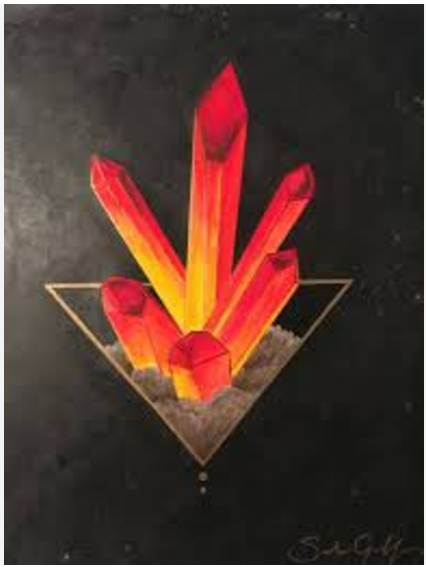
Before we tackle the main question, let's first understand what 3D Crystal Painting is. 3D Crystal Painting, also known as diamond painting, is a popular craft that combines the beauty of crystals and the creativity of painting. It involves placing small resin or glass rhinestones onto an adhesive canvas, creating a sparkling and three - dimensional effect. There are different types of 3D Crystal Painting, such as Full Drill Crystal Rhinestone Diamond Painting, Abstract Crystal Painting, and Crystal Art Painting. Each type offers unique visual experiences, from the full - coverage brilliance of full - drill paintings to the artistic and imaginative nature of abstract ones.
The Nature of Rubber
Rubber is a versatile material with a wide range of properties. It can be natural or synthetic, and its characteristics vary depending on its composition and manufacturing process. Natural rubber, derived from the latex of rubber trees, is known for its high elasticity, resilience, and water - resistance. Synthetic rubbers, on the other hand, are engineered to have specific properties such as oil - resistance, heat - resistance, or chemical - resistance.
Factors to Consider When Using 3D Crystal Painting on Rubber
Adhesion
The most critical factor when using 3D Crystal Painting on rubber is adhesion. The rhinestones in 3D Crystal Painting need to stick firmly to the surface to create a long - lasting and stable artwork. Rubber surfaces are often smooth and non - porous, which can pose challenges for adhesion. The adhesive on the canvas used in traditional 3D Crystal Painting may not bond well with rubber. Some rubbers also have a surface layer that can prevent proper adhesion. For example, silicone rubber has a low surface energy, making it difficult for adhesives to wet and bond to it.

However, there are ways to improve adhesion. One approach is to use a primer or a surface treatment on the rubber. A primer can increase the surface energy of the rubber, allowing the adhesive to bond more effectively. Another option is to use a special adhesive that is designed for rubber surfaces. These adhesives are formulated to have strong bonding properties with rubber and can provide a more secure attachment for the rhinestones.
Flexibility
Rubber is a flexible material, and it can stretch, bend, and deform under normal use. This flexibility can put stress on the 3D Crystal Painting. If the rhinestones are not properly attached or if the adhesive is not flexible enough, the painting may crack or peel off when the rubber is bent or stretched. To address this issue, it is important to choose a flexible adhesive that can withstand the movement of the rubber. Additionally, the arrangement of the rhinestones can also be optimized to minimize stress. For example, using a more spread - out pattern instead of a dense, solid block of rhinestones can reduce the likelihood of cracking.
Durability
The durability of the 3D Crystal Painting on rubber is also a concern. Rubber can be exposed to various environmental factors such as sunlight, heat, moisture, and chemicals. These factors can affect the integrity of the painting. Sunlight, for example, can cause the adhesive to degrade over time, leading to a loss of adhesion. Heat can soften the rubber and the adhesive, making the rhinestones more likely to come loose. Moisture can cause the adhesive to weaken or corrode, and chemicals can react with the rubber or the rhinestones, damaging the painting.
To enhance durability, it is important to choose high - quality materials. The rhinestones should be made of a durable material that can resist fading, scratching, and chemical damage. The adhesive should also be resistant to environmental factors. For example, an adhesive that is UV - resistant can prevent degradation from sunlight, and a waterproof adhesive can protect against moisture.
Practical Applications and Examples
Despite the challenges, using 3D Crystal Painting on rubber can have some interesting and practical applications. For example, it can be used to decorate rubber phone cases. A 3D Crystal Painting on a phone case can add a unique and stylish touch, making the phone case stand out. Another application is in the automotive industry. Rubber seals or trim parts can be decorated with 3D Crystal Painting to enhance the aesthetics of the vehicle.
In a case study, a small business used 3D Crystal Painting to decorate rubber bracelets. They first treated the rubber surface with a primer and then used a flexible adhesive to attach the rhinestones. The bracelets were well - received by customers, and the 3D Crystal Painting remained intact even after repeated bending and stretching.
Conclusion
In conclusion, it is possible to use 3D Crystal Painting on rubber, but it requires careful consideration of several factors such as adhesion, flexibility, and durability. By using the right materials, techniques, and surface treatments, a high - quality and long - lasting 3D Crystal Painting can be achieved on rubber surfaces.
If you are interested in exploring the possibilities of using 3D Crystal Painting on rubber or any other applications, we are here to help. As a leading supplier of 3D Crystal Painting, we offer a wide range of products and solutions. Whether you need high - quality rhinestones, specialized adhesives, or expert advice, we have the resources and expertise to meet your needs. Contact us to start a procurement discussion and bring your creative ideas to life.
References
- "Handbook of Adhesives" by Skeist, I.
- "Rubber Technology" by Morton, M.
- Industry research reports on 3D Crystal Painting and rubber materials.


