





As a supplier of Crystal Energy Candles, I've often been asked whether these candles have a specific burning pattern. In this blog, I'll delve into this question and provide you with a comprehensive understanding based on scientific knowledge and my experience in the industry.
The Basics of Candle Burning
Before we discuss the specific burning patterns of Crystal Energy Candles, it's essential to understand the general principles of candle burning. A candle consists of a wax body and a wick. When the wick is lit, the heat melts the wax near the wick. The liquid wax is then drawn up the wick by capillary action. As the wax reaches the flame, it vaporizes and burns, releasing heat, light, and various by - products such as carbon dioxide and water vapor.
The burning process of a candle is influenced by several factors. The type of wax used is a crucial factor. Different waxes have different melting points and burn characteristics. For example, paraffin wax is a common choice for candles. It has a relatively low melting point and burns brightly, but it may produce more soot compared to some natural waxes like soy wax. Soy wax, on the other hand, has a lower melting point than paraffin, burns cleaner, and is more environmentally friendly.
The size and quality of the wick also play a significant role. A wick that is too small may not be able to draw up enough wax, resulting in a weak flame and an uneven burn. Conversely, a wick that is too large can cause the candle to burn too quickly, produce excessive heat, and potentially create a fire hazard.
Crystal Energy Candles: An Overview
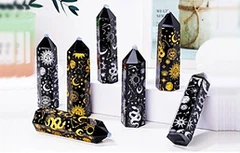
Our Crystal Energy Candles are unique products that combine the soothing effects of candles with the supposed properties of crystals. We offer a variety of options, including Healing Crystal Candles, Citrine Crystal Candles, and Crystal Zodiac Candles. Each type of candle is infused with different crystals, which are believed by some to have specific energetic and healing properties.
The crystals in our candles are carefully selected and placed within the wax. They not only add an aesthetic appeal but are also thought to enhance the overall experience of using the candle. However, from a scientific perspective, it's important to note that the supposed energetic properties of crystals are not supported by mainstream science. But the visual and psychological impact of having crystals in the candle can be quite significant for many users.
Do Crystal Energy Candles Have a Specific Burning Pattern?
When it comes to the burning pattern of Crystal Energy Candles, there isn't a one - size - fits - all answer. In general, the burning pattern of these candles is similar to that of regular candles, but there are some factors related to the crystals that can potentially influence it.
One factor is the position of the crystals within the wax. If a crystal is placed close to the wick, it can absorb some of the heat from the flame. This may cause the wax around the crystal to melt at a different rate compared to the rest of the wax. As a result, you may notice a small indentation or a change in the shape of the melt pool near the crystal. However, this effect is usually minor and depends on the size and type of the crystal.
The type of crystal can also have an impact. Some crystals are better conductors of heat than others. For example, quartz crystals are relatively good heat conductors. If a quartz crystal is embedded in the wax, it may transfer heat more efficiently to the surrounding wax, causing it to melt faster in that area. On the other hand, crystals with lower heat conductivity may have less of an effect on the burning pattern.
Another aspect to consider is the size and shape of the crystal. Larger crystals may have a more noticeable impact on the burning pattern as they can absorb and transfer more heat. Irregularly shaped crystals may also cause the wax to melt unevenly around them, creating unique patterns in the melt pool.
However, it's important to emphasize that these effects are often subtle and may not be easily distinguishable from the normal variations in a candle's burn. The overall burning pattern of a Crystal Energy Candle is still primarily determined by the type of wax, the wick, and the environmental conditions in which the candle is burned.
Environmental Factors Affecting Burning Patterns
The environment in which a Crystal Energy Candle is burned can have a significant impact on its burning pattern. Temperature and humidity are two key environmental factors.
In a warm environment, the wax will melt more quickly, and the candle may burn faster. This can lead to a larger melt pool and a more rapid consumption of the wax. On the other hand, in a cold environment, the wax may not melt as easily, resulting in a smaller melt pool and a slower burn rate.
Humidity can also affect the burning of a candle. High humidity can cause the wick to absorb moisture, which can make it more difficult for the wick to burn properly. This may result in a weaker flame and an uneven burn. Additionally, if the humidity is too high, the wax may absorb moisture, which can change its properties and affect the burning pattern.
Air circulation is another important factor. A drafty environment can cause the flame to flicker and dance, which may lead to an uneven burn. The moving air can also carry away heat from the flame, making it harder for the wax to melt evenly. To ensure a more consistent burn, it's best to burn candles in a draft - free area.
Tips for Achieving a Good Burn
As a supplier, I want to share some tips to help you achieve the best possible burn with your Crystal Energy Candles.
First, it's crucial to trim the wick before each use. A wick that is too long can cause the candle to burn too hot and produce excessive soot. Trim the wick to about 1/4 inch before lighting the candle. This will help ensure a clean and even burn.
When lighting the candle for the first time, allow it to burn long enough to form a full melt pool across the top of the wax. This is called the "first burn." If the first burn is too short, the candle may develop a "memory ring," which means that the wax will only melt in the center on subsequent burns, leaving a ring of unmelted wax around the edge. Aim for a first burn time of at least 2 - 3 hours, depending on the size of the candle.
Keep the candle away from drafts, as mentioned earlier. Drafts can cause the flame to flicker and the wax to burn unevenly. Place the candle in a stable, heat - resistant holder and in an area where there is minimal air movement.
Finally, don't let the candle burn all the way down to the bottom. Once there is about 1/4 inch of wax left, it's time to extinguish the candle. This will help prevent the container from overheating and potentially cracking.


Conclusion
In conclusion, while Crystal Energy Candles don't have a strictly defined, unique burning pattern, the presence of crystals can have some minor effects on how the wax melts. However, the overall burning pattern is mainly determined by factors such as the type of wax, the wick, and the environmental conditions.
Our Crystal Energy Candles offer a beautiful and relaxing experience, whether you're interested in the supposed energetic properties of crystals or simply enjoy the ambiance of a burning candle. If you're interested in purchasing our products or have any questions about our Crystal Energy Candles, we'd love to hear from you. Contact us to start a discussion about procurement and find the perfect candles for your needs.
References
- "The Chemistry of Candles" by Scientific American.
- "Candle - Making Basics" by Candle Science.
- General knowledge of candle - making and crystal properties from industry experience.


