



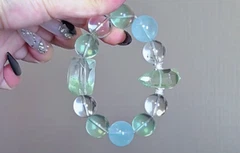

White crystal carvings have long been cherished for their elegance, purity, and the intricate artistry they showcase. As a dedicated supplier of these exquisite pieces, I often encounter a frequently asked question: Do white crystal carvings change color over time? In this blog, I'll delve into the scientific aspects of this question, drawing on my experience in the industry and relevant research.
The Nature of White Crystals
White crystals, such as quartz, are composed of silicon dioxide (SiO₂). Their characteristic white appearance is due to the way light interacts with the crystal structure. In a pure form, quartz is actually colorless. However, the presence of impurities or inclusions can give it a white or milky appearance. These impurities can be trace elements like aluminum, iron, or titanium, which are incorporated into the crystal lattice during its formation.
The structure of white crystals is highly ordered, with atoms arranged in a repeating pattern. This ordered structure gives crystals their unique physical and optical properties. For example, they can refract and reflect light in a way that creates a sparkling, lustrous effect. But how does this structure relate to the potential for color change over time?
Factors That Could Potentially Cause Color Change
Exposure to Light
One of the most common factors that can affect the appearance of crystals is light exposure. Ultraviolet (UV) light, in particular, has enough energy to cause chemical reactions within the crystal structure. Some impurities in white crystals can be photosensitive, meaning they can change their oxidation state when exposed to UV light. This change in oxidation state can lead to a change in color.
For instance, if a white crystal contains trace amounts of iron, UV light can cause the iron to oxidize. Oxidized iron can give the crystal a yellowish or brownish tint. However, the degree of color change depends on the intensity and duration of light exposure. In normal indoor lighting conditions, the amount of UV light is relatively low, so the color change is likely to be minimal. But if the crystal is placed in direct sunlight for extended periods, the risk of color change increases.
Chemical Reactions
White crystals can also be affected by chemical reactions with substances in their environment. For example, if a crystal comes into contact with acidic or alkaline substances, it can react with them and cause a change in color. This is because the chemical reaction can alter the crystal structure or the oxidation state of impurities within the crystal.
In a household setting, common substances like cleaning agents or even sweat from handling the crystal can potentially cause chemical reactions. However, most white crystals are relatively stable and resistant to chemical attack. As long as they are properly cared for and not exposed to harsh chemicals, the risk of color change due to chemical reactions is low.
Temperature and Humidity
Extreme temperature and humidity changes can also have an impact on the appearance of white crystal carvings. High temperatures can cause the crystal to expand, while low temperatures can cause it to contract. These thermal stresses can potentially damage the crystal structure and lead to changes in color.
Similarly, high humidity can promote the growth of mold or mildew on the surface of the crystal, which can give it a discolored appearance. However, these effects are usually more related to the surface of the crystal rather than a true change in the crystal's internal color.
Real - World Observations
In my experience as a White Crystal Carvings supplier, I've found that most white crystal carvings maintain their color over time when properly cared for. I've had customers who have owned their carvings for decades, and as long as they have followed basic care guidelines, the crystals have retained their original white appearance.
However, there have been a few cases where customers have reported a slight change in color. In most of these instances, the carvings had been exposed to direct sunlight for long periods or had come into contact with chemicals. For example, one customer placed a white crystal carving on a windowsill, where it was exposed to direct sunlight throughout the day. After a few months, the carving developed a faint yellowish tint.
Preventing Color Change
To prevent color change in white crystal carvings, it's important to take proper care of them. Here are some tips:
- Limit Light Exposure: Avoid placing the crystal in direct sunlight for extended periods. Instead, display it in a location with indirect light.
- Handle with Care: When handling the crystal, make sure your hands are clean and dry. Avoid touching the crystal with dirty or oily hands, as this can transfer substances that may cause chemical reactions.
- Clean Properly: Use a soft, dry cloth to clean the crystal. If necessary, you can use a mild, non - abrasive cleaner, but make sure to rinse it thoroughly and dry it immediately.
- Control the Environment: Keep the crystal in a stable environment with moderate temperature and humidity. Avoid placing it in areas with high humidity, such as bathrooms or basements.
Other Types of Crystal Carvings
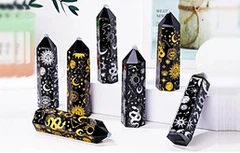
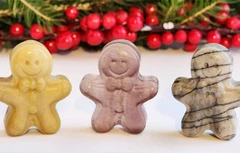
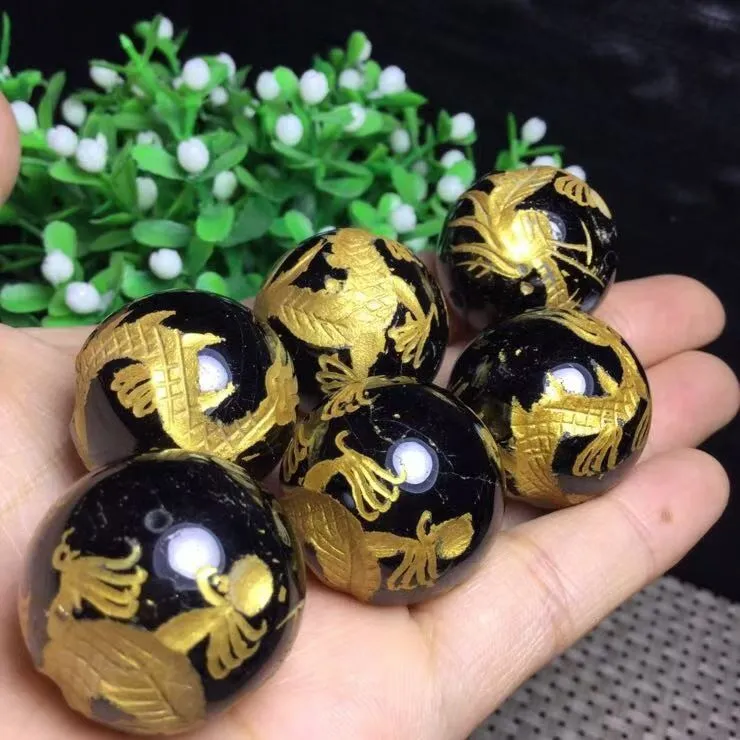
In addition to white crystal carvings, we also offer a variety of other beautiful crystal carvings, such as Black Tourmaline Carving, Crystal Moon Carving, and Christmas Crystal Carvings. Each type of crystal has its own unique properties and appearance, and they are all carefully crafted to showcase the beauty of the natural crystals.
Conclusion
In conclusion, while it is possible for white crystal carvings to change color over time, the risk is relatively low if they are properly cared for. Exposure to light, chemicals, and extreme environmental conditions are the main factors that can cause color change. By following the care tips mentioned above, you can ensure that your white crystal carving retains its beauty for years to come.
If you are interested in purchasing white crystal carvings or any of our other crystal products, I encourage you to reach out to us for a procurement discussion. We are committed to providing high - quality crystal carvings and excellent customer service.

References
- Nassau, K. (1983). The Physics and Chemistry of Color: The Fifteen Causes of Color. Wiley - Interscience.
- Giere, R. (2006). Understanding Scientific Reasoning. Wadsworth Publishing.
- Deer, W. A., Howie, R. A., & Zussman, J. (1992). An Introduction to the Rock - Forming Minerals. Longman Scientific & Technical.


