




As a long - standing supplier of crystal carvings, I've had the privilege of witnessing the fascinating process of how crystal carvers find the inspiration that transforms raw crystals into breathtaking works of art. In this blog, I'll delve into the diverse sources of inspiration that fuel these talented artisans.
Nature: The Primary Wellspring
Nature is, without a doubt, the most profound and consistent source of inspiration for crystal carvers. The world around us is a vast tapestry of shapes, colors, and textures, all of which can be translated into crystal masterpieces.
The grandeur of mountains, with their sharp peaks and craggy slopes, often serves as a muse. Carvers might replicate the rugged beauty of a mountain range in a large - scale crystal sculpture, using the natural translucency of the crystal to mimic the way sunlight hits the snow - capped peaks. The flowing curves of rivers and the gentle ripples on a lake's surface can also be captured in crystal, with carvers carefully shaping the stone to convey a sense of fluidity and motion.
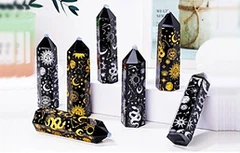
Flora and fauna are equally influential. The delicate petals of a flower, the intricate patterns on a butterfly's wings, or the powerful stance of a wild animal can all be recreated in crystal. For instance, a carver might be inspired by the elegant form of a swan and spend hours painstakingly carving a crystal to capture its grace and poise. Some carvers specialize in creating Black Tourmaline Carving that draw inspiration from the natural world. The unique properties of black tourmaline, such as its deep color and protective energy, can be combined with nature - inspired designs to create pieces that are both beautiful and meaningful.
Cultural and Historical References
Culture and history are rich reservoirs of inspiration. Different cultures around the world have their own unique mythologies, symbols, and art forms, which can provide endless ideas for crystal carvers.
Ancient Egyptian mythology, with its pantheon of gods and goddesses, is a popular source. Carvers might create crystal sculptures of Horus, the falcon - headed god, or Anubis, the jackal - headed god of the afterlife. These pieces not only showcase the carver's skill but also serve as a way to honor and preserve ancient cultural heritage.

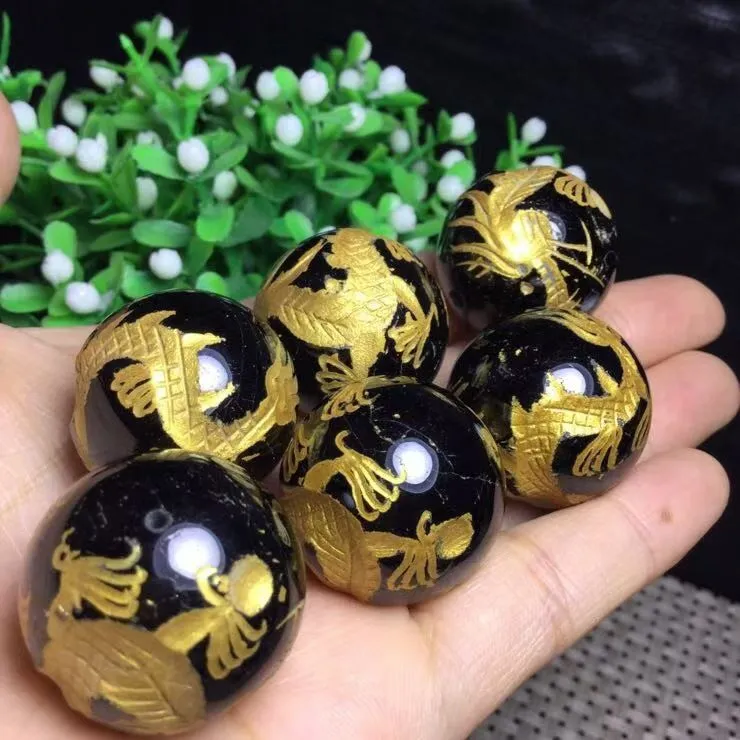
In Asian cultures, symbols like the dragon, phoenix, and lotus flower hold deep spiritual and cultural significance. A crystal carver might draw on these symbols to create pieces that are not only aesthetically pleasing but also carry a profound message. For example, a Amethyst Carvings in the shape of a lotus flower can represent purity, enlightenment, and spiritual growth.
Medieval European art, with its elaborate Gothic architecture and religious imagery, can also inspire carvers. The detailed carvings on cathedral facades, the intricate designs on illuminated manuscripts, and the symbolism in religious paintings can all be translated into crystal art.
Personal Experiences and Emotions
A carver's personal experiences and emotions play a crucial role in the creative process. A moment of joy, sadness, love, or anger can be channeled into a crystal carving.
For example, a carver who has recently experienced the birth of a child might be inspired to create a tender and loving sculpture that represents the new life and the bond between parent and child. On the other hand, someone who has overcome a difficult challenge might create a piece that symbolizes strength and resilience.
Dreams can also be a source of inspiration. The surreal and often symbolic nature of dreams can lead to the creation of truly unique crystal carvings. A carver might have a dream of flying through a star - filled sky and then translate that vision into a crystal sculpture that captures the sense of wonder and freedom.
Contemporary Art and Design
The world of contemporary art and design is constantly evolving, and crystal carvers often look to it for new ideas and techniques.
Modern minimalist design, with its emphasis on clean lines and simplicity, can inspire carvers to create sleek and elegant crystal pieces. On the other hand, the bold colors and abstract forms of contemporary art can lead to the creation of more avant - garde crystal sculptures.
Fashion trends can also have an impact. For example, if there is a trend towards geometric shapes in fashion, a carver might incorporate these shapes into their crystal designs. The use of new materials and technologies in contemporary art, such as 3D printing and laser cutting, can also influence the way crystal carvers approach their work.
Market Trends and Customer Requests
As a crystal carvings supplier, I know that market trends and customer requests are important factors in the inspiration process.
Seasonal trends, such as Halloween Crystal Carvings, can inspire carvers to create themed pieces. During the Halloween season, carvers might create spooky crystal sculptures of ghosts, pumpkins, or witches.
Customer requests are also a valuable source of inspiration. A customer might have a specific idea in mind, such as a crystal carving of their favorite pet or a personalized symbol. Carvers are then challenged to bring these ideas to life, which often leads to the creation of one - of - a - kind pieces.
The Role of the Crystal Itself
The crystal itself can be a source of inspiration. Each type of crystal has its own unique properties, such as color, transparency, and hardness. These properties can influence the design and the carving process.
For example, the deep purple color of amethyst might inspire a carver to create a piece that highlights this color, such as a large amethyst sphere or a pendant with an intricate amethyst carving. The natural inclusions and patterns in a crystal can also be incorporated into the design, adding an element of uniqueness and organic beauty.
Conclusion
In conclusion, crystal carvers draw inspiration from a wide range of sources, including nature, culture, personal experiences, contemporary art, market trends, and the crystals themselves. This diverse range of inspiration ensures that each crystal carving is a unique and meaningful work of art.
If you're interested in exploring our collection of crystal carvings or have a specific idea for a custom - made piece, I encourage you to reach out for a procurement discussion. We're always excited to work with customers to bring their visions to life.
References
- "The Art of Crystal Carving" by Jane Smith
- "Nature as Inspiration in Art" by John Doe
- "Cultural Symbols in Crystal Art" by Emily Brown


