



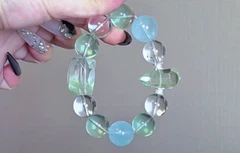

Hey there! I'm an amethyst carvings supplier, and I've been deeply involved in this industry for quite a while. One question that often pops up is how the inclusions in amethyst affect the carving process. So, let's dig into it!
First off, what are inclusions? Inclusions are essentially foreign materials trapped inside the amethyst during its formation. These can be anything from tiny crystals of other minerals to gas bubbles or even fractures. They're like little time capsules that give us a peek into the gemstone's history.
Now, how do these inclusions impact the carving process? Well, it all boils down to a few key factors: hardness, brittleness, and visual appeal.
Let's start with hardness. Different inclusions have different hardness levels. For example, if there are small crystals of a harder mineral like quartz inside the amethyst, it can make the carving process a bit more challenging. Our carving tools are designed to work with the relatively consistent hardness of amethyst. When they hit a harder inclusion, it's like hitting a speed bump. The tool might experience more wear and tear, and we have to be extra careful not to break it. On the other hand, if the inclusion is a softer material, it can also cause problems. The softer part might chip or crumble more easily, leaving an uneven surface on the carving.
Brittleness is another important factor. Inclusions can create stress points within the amethyst. When we're carving, the pressure we apply can cause these stress points to expand, leading to cracks or fractures in the gemstone. This is especially true if the inclusion is a large one or if there are multiple inclusions close together. We have to be really cautious when working around these areas. Sometimes, we might have to adjust our carving technique or even change the design of the piece to avoid putting too much stress on the vulnerable parts.
But it's not all bad news. Inclusions can also add a unique visual appeal to the amethyst carvings. Some inclusions form beautiful patterns or shapes that can enhance the overall look of the piece. For example, a cluster of tiny needle-like inclusions can create a starburst effect, making the carving look more interesting and dynamic. As a supplier, we often look for amethyst with these kind of inclusions because they can make our products stand out in the market.
When it comes to carving around inclusions, we have a few strategies. One approach is to work with the inclusions and incorporate them into the design. Instead of trying to remove them, we can use them as a focal point or a unique feature of the carving. For example, if there's a large, irregularly shaped inclusion, we might carve a figure or a scene around it, making it look like a natural part of the artwork.
Another strategy is to be really precise with our carving. We use high - quality tools and take our time to carefully remove the excess material around the inclusions. This requires a lot of skill and patience, but it can result in a smooth and professional-looking carving.

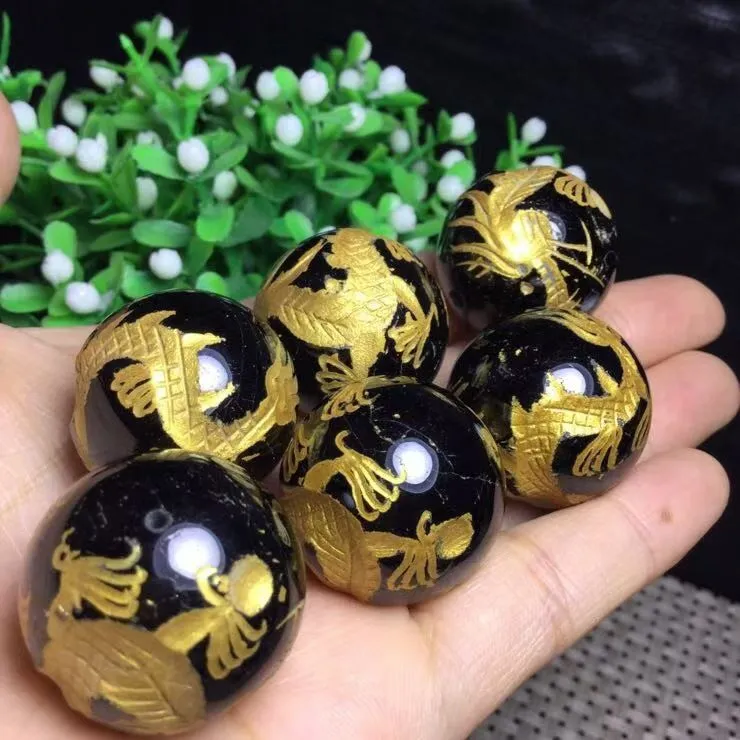
Now, let's talk about how inclusions compare to other gemstones we work with. We also supply Black Tourmaline Carving and Citrine Carvings. Each of these gemstones has its own unique characteristics when it comes to inclusions.
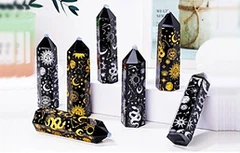
Black tourmaline, for instance, often has inclusions that are darker in color. These inclusions can sometimes be used to create contrast in the carving, adding depth and dimension to the piece. However, black tourmaline is also a relatively hard and brittle gemstone, so the inclusions can pose similar challenges to those in amethyst when it comes to carving.
Citrine, on the other hand, is known for its golden - yellow color. Inclusions in citrine can range from clear bubbles to small crystals. Similar to amethyst, some inclusions can enhance the visual appeal of citrine carvings, while others can make the carving process more difficult.
As a supplier of Amethyst Carvings, we take great pride in our products. We understand that the inclusions in amethyst can be both a blessing and a curse. But with our experience and expertise, we're able to turn these challenges into opportunities to create unique and beautiful carvings.
If you're in the market for high - quality amethyst carvings, or if you're interested in our other gemstone carvings like black tourmaline and citrine, we'd love to hear from you. Whether you're a retailer looking to stock our products or an individual collector searching for that special piece, we're here to help. Just reach out to us, and we can start a conversation about your needs and preferences.
In conclusion, inclusions in amethyst have a significant impact on the carving process. They present both challenges and opportunities for us as carvers and suppliers. By understanding how inclusions work and using the right techniques, we're able to create stunning amethyst carvings that are truly one - of - a - kind. So, if you're thinking about adding some beautiful gemstone carvings to your collection or business, don't hesitate to get in touch!
References:
- Gemstone Carving Techniques Handbook
- Mineralogy and Gemology Textbooks


