






Hey there, fellow art enthusiasts! As a supplier of 3D crystal paintings, I've seen firsthand the magic these pieces can bring to any space. But one question I often get asked is, "How can I add depth to a 3D crystal painting?" Well, you're in the right place because I'm about to share some tips and tricks that'll take your crystal art to the next level.
Understanding the Basics of 3D Crystal Painting
Before we dive into adding depth, let's quickly go over what 3D crystal painting is. It's a unique form of art that combines the beauty of crystals with the creativity of painting. The crystals are arranged in a way that creates a three - dimensional effect, giving the painting a sense of realness and depth. You can find a wide variety of styles, from Crystal Art Painting that showcases intricate designs to Abstract Crystal Painting for those who love a more modern and free - form look.
Layering Techniques
One of the most effective ways to add depth to a 3D crystal painting is through layering. Just like in traditional painting, layering in crystal art can create the illusion of distance and space.
Start with a Base Layer
Begin by creating a base layer of crystals. This layer will set the foundation for the rest of the painting. Use larger crystals or a more solid color to establish the background. For example, if you're creating a Natural Scenery LED Crystal Painting, the base layer could represent the sky or a distant mountain range.
Add Middle Layers
Once the base layer is in place, it's time to add middle layers. These layers should be slightly more detailed and use smaller crystals. They can represent elements like trees, buildings, or other objects that are in the middle ground. By using different sizes and colors of crystals, you can create a sense of depth between the base layer and the foreground.
Finish with a Foreground Layer
The foreground layer is where you really bring the painting to life. Use the smallest and most detailed crystals to create the objects that appear closest to the viewer. This could be flowers, rocks, or people. The contrast between the large, simple base layer and the small, detailed foreground layer will make the painting look more three - dimensional.
Color and Shading
Color plays a huge role in adding depth to a 3D crystal painting. Just like in any other form of art, using different colors and shades can create the illusion of light and shadow.
Choose a Color Scheme
Start by selecting a color scheme that works well together. You can use complementary colors to create contrast or analogous colors for a more harmonious look. For example, if you're creating a landscape painting, you might choose blues and greens for the background and earthy tones for the foreground.
Use Shading
Shading is essential for creating depth. Darker colors should be used to represent areas that are in shadow, while lighter colors can be used for areas that are in light. You can achieve shading by using different colors of crystals or by varying the density of the crystals in different areas. For instance, if you're painting a sphere, use darker crystals around the edges and lighter crystals in the center to give it a rounded appearance.
Perspective
Perspective is another important factor in adding depth to a 3D crystal painting. By creating the illusion of distance, you can make the painting look more realistic.
One - Point Perspective
One - point perspective is a simple technique that can be used to create depth in a painting. Imagine a vanishing point on the horizon line. All the lines in the painting should converge towards this point. You can use this principle when arranging the crystals in your painting. For example, if you're painting a street scene, the crystals representing the buildings and sidewalks should get smaller as they get closer to the vanishing point.
Two - Point Perspective
Two - point perspective is a bit more complex but can create a more dynamic and realistic look. In two - point perspective, there are two vanishing points on the horizon line. This technique is great for creating angular buildings or landscapes. You can use different sizes and orientations of crystals to create the illusion of objects receding into the distance.
Lighting Effects
Lighting can have a huge impact on the depth of a 3D crystal painting. Whether it's natural light or LED lighting, the right lighting can make the painting pop.
Natural Light
Natural light can create beautiful shadows and highlights in a crystal painting. Place your painting near a window where it can catch the sunlight at different times of the day. The changing light will bring out the depth and texture of the crystals.
LED Lighting
LED lighting is a great option for adding a unique touch to your 3D crystal painting. You can use LED strips or bulbs to illuminate the painting from behind or from the side. This will create a glowing effect that makes the crystals stand out and adds an extra layer of depth. Natural Scenery LED Crystal Painting is a perfect example of how LED lighting can enhance the depth and beauty of a crystal painting.
Textures and Details
Adding textures and details to your 3D crystal painting can also contribute to its depth.
Different Crystal Sizes and Shapes
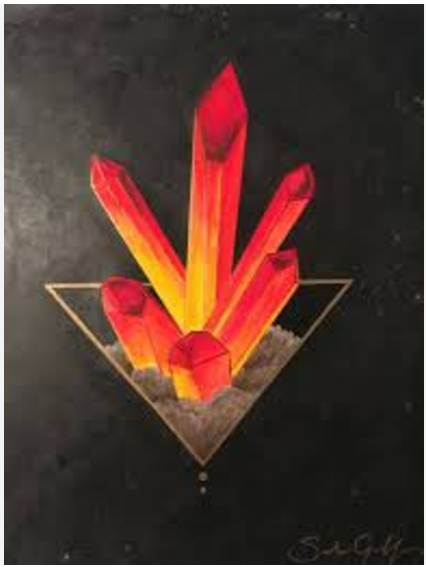
Use a variety of crystal sizes and shapes to create texture. Larger crystals can be used to create a rough or chunky texture, while smaller crystals can be used for a smoother look. You can also mix different shapes of crystals, such as round, square, and triangular, to add visual interest.

Additional Elements
In addition to crystals, you can add other elements to your painting to create more depth. This could include beads, sequins, or even small pieces of fabric. These elements can be used to add details and create a more complex and realistic look.
Conclusion
Adding depth to a 3D crystal painting is all about using techniques like layering, color and shading, perspective, lighting, and textures. By combining these elements, you can create a painting that looks truly three - dimensional and brings a sense of wonder to any space.
If you're interested in purchasing high - quality 3D crystal paintings or want to discuss custom designs, I'd love to hear from you. Let's start a conversation and bring your artistic vision to life!
References
- Artincontext.org - Understanding the principles of perspective in art.
- ColorMeaning.com - Insights into color theory and its application in art.
- CrystalArtMagazine - Articles on various techniques for creating 3D crystal art.


