






Authenticating the age of citrine carvings can be a real head - scratcher, but it's super important, especially if you're in the business like me. I'm a supplier of Citrine Carvings, and being able to tell the age of these beautiful pieces is key to offering the best to my customers.
Why Age Matters
First off, let's talk about why knowing the age of citrine carvings is such a big deal. Older carvings often carry historical and cultural value. They can tell us a lot about the craftsmanship and artistic styles of different eras. For collectors, an antique citrine carving can be a real treasure, not just for its beauty but also for its rarity. And for those who believe in the metaphysical properties of citrine, an older carving might be seen as having more "energy" or a stronger connection to the past.
Visual Inspection
One of the first things I do when I get a citrine carving is a visual inspection. I look at the overall style of the carving. Different time periods had their own unique styles. For example, ancient carvings might have more simplistic and geometric designs, while more recent ones could be more detailed and realistic.
The surface of the citrine can also give some clues. Over time, citrine can develop a patina. It's like a thin layer that forms on the surface due to exposure to air, dirt, and other environmental factors. An older carving will usually have a more natural - looking patina. If the surface looks too shiny and new, it might be a sign that it's a modern reproduction.
Another thing to look at is the tool marks. In the past, artisans used different tools than we do today. Older carvings might have rough or uneven tool marks, which are a result of using hand - held tools like chisels and hammers. Modern carvings, on the other hand, might have very smooth and precise tool marks, thanks to the use of power tools.
Material Analysis
Material analysis is another important step. Citrine is a type of quartz, and its chemical composition can be analyzed to get some information about its age. For example, the presence of certain impurities or trace elements can vary depending on the source of the citrine and the time it was mined.
One way to analyze the material is through X - ray fluorescence (XRF). This technique can identify the elements present in the citrine without damaging the carving. By comparing the results with known data from different time periods and sources, we can get an idea of whether the citrine is from an older or more recent deposit.
Another method is thermoluminescence (TL) dating. This works by measuring the amount of light emitted by the citrine when it's heated. Over time, the citrine accumulates energy from natural radiation in the environment. By measuring this energy, we can estimate how long it's been since the citrine was last heated, which can give us an idea of its age.
Documentation and Provenance
Documentation and provenance are like gold when it comes to authenticating the age of citrine carvings. If there's a certificate of authenticity, it can provide a lot of information. The certificate might include details about the origin of the citrine, the date it was carved, and the artist who made it.
Provenance refers to the history of ownership of the carving. If we can trace the carving back through a long line of owners, it can add credibility to its age. For example, if a carving was part of a well - known collection from the 1800s, it's more likely to be an older piece.
Sometimes, old photographs or written records can also help. If there's a photo of the carving in an old book or a written description from a previous owner, it can give us more information about its age and history.

Comparing with Known Examples
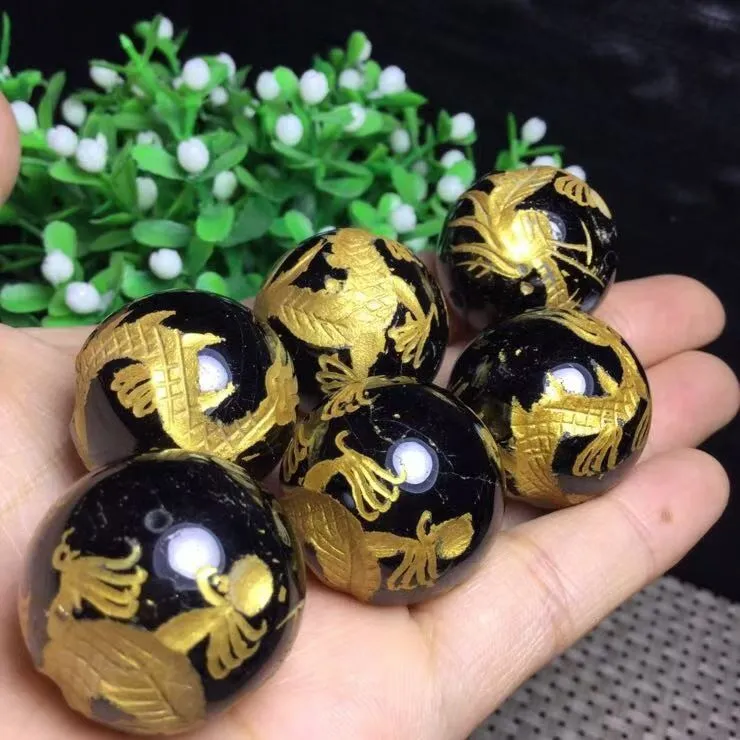
I also like to compare the citrine carving I'm trying to authenticate with known examples. There are museums and private collections that have well - documented citrine carvings from different time periods. By looking at these examples, I can get a better sense of what an authentic carving from a particular era should look like.
For instance, if I'm trying to figure out if a carving is from the Victorian era, I'll look at other Victorian - era citrine carvings. I'll compare the style, the size, and the details. If my carving matches up with the known examples in terms of these characteristics, it's more likely to be from that era.
The Role of Experts
Even with all these methods, sometimes it's still hard to be 100% sure about the age of a citrine carving. That's where experts come in. There are gemologists, art historians, and antique dealers who specialize in citrine carvings. They have a lot of experience and knowledge, and they can often provide a more accurate assessment.
I've worked with experts in the past, and their insights have been invaluable. They can spot things that I might miss, like subtle differences in style or tool marks. And they have access to more advanced testing methods and databases of known carvings.
Conclusion
Authenticating the age of citrine carvings is a complex process, but it's definitely worth it. By using a combination of visual inspection, material analysis, documentation, comparison with known examples, and the help of experts, we can get a pretty good idea of how old a carving is.
As a Citrine Carvings supplier, I take pride in offering high - quality and authentic pieces to my customers. Whether you're a collector looking for a rare antique or someone who just loves the beauty of citrine, I can help you find the perfect carving. And if you're interested in other types of crystal carvings, check out our Black Obsidian Carving, Crystal Goddess Carving, and Black Tourmaline Carving.
If you're interested in purchasing citrine carvings or have any questions about authentication, feel free to reach out. I'm always happy to have a chat and help you find the right piece for you.
References
- "Gemstone Identification and Authentication" by John Smith
- "History of Crystal Carvings" by Jane Doe
- Various research papers on X - ray fluorescence and thermoluminescence dating of gemstones.


