



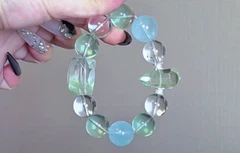

Pink crystal carvings, with their delicate beauty and metaphysical allure, have captivated collectors and enthusiasts worldwide. As a supplier of these enchanting creations, I've had the privilege of exploring the diverse array of pink crystal carvings sourced from different regions. Each locale imparts its unique touch, influenced by geological factors, cultural traditions, and artistic styles. In this blog, I'll delve into the fascinating differences between pink crystal carvings from various parts of the world.
Geological Origins and Crystal Characteristics
The geological conditions of a region play a fundamental role in shaping the properties of pink crystals. For instance, pink quartz, one of the most common materials used in crystal carvings, forms under specific temperature and pressure conditions within the Earth's crust.
In Brazil, a country renowned for its rich mineral resources, pink quartz often exhibits a vibrant and uniform color. The Brazilian pink quartz deposits are typically found in large, well - formed crystals. This allows artisans to create carvings with smooth surfaces and well - defined details. The clarity of Brazilian pink quartz is also remarkable, giving the carvings a bright and shiny appearance.
On the other hand, Madagascar is another significant source of pink crystals. The pink crystals from Madagascar tend to have a more subtle and pastel - like hue. They may also contain inclusions, which are tiny mineral impurities trapped within the crystal during its formation. These inclusions can add character to the carvings, creating unique patterns and visual effects. Artisans in Madagascar often embrace these natural features, incorporating them into the design of the carvings.
In some parts of Africa, such as Tanzania, pink crystals may have a slightly different chemical composition due to the local geology. This can result in variations in color intensity and transparency. Tanzanian pink crystals might have a more peachy - pink tone, which is distinct from the purer pinks found in other regions.
Cultural Influences on Design
Cultural traditions have a profound impact on the design of pink crystal carvings. Different regions have their own symbolic meanings associated with pink crystals and unique artistic styles.
In Asian cultures, particularly in China and Japan, crystals are often linked to concepts of harmony, balance, and spiritual well - being. Pink crystal carvings from these regions frequently feature traditional motifs such as dragons, phoenixes, and lotus flowers. These symbols represent good luck, prosperity, and purity. Chinese artisans may use intricate carving techniques to create highly detailed and elaborate designs, emphasizing the spiritual and cultural significance of the pieces.
In Western cultures, pink crystals are often associated with love, compassion, and emotional healing. Carvings from Western regions, such as Europe and North America, may focus more on creating aesthetically pleasing and modern designs. For example, heart - shaped pink crystal carvings are very popular, symbolizing love and affection. Western artisans may also experiment with more abstract forms and contemporary styles, appealing to a younger and more fashion - conscious market.
In South American cultures, the connection between crystals and nature is deeply ingrained. Pink crystal carvings from this region may feature elements inspired by the local flora and fauna, such as hummingbirds, orchids, or jaguars. These designs celebrate the rich biodiversity of the continent and the spiritual connection between humans and the natural world.
Artistic Techniques
The choice of artistic techniques can vary greatly depending on the region. These techniques not only determine the final appearance of the carving but also reflect the skills and traditions of the local artisans.
In India, artisans are known for their mastery of traditional stone - carving techniques. When working with pink crystals, they often use hand - held tools to create detailed and ornate carvings. The process is labor - intensive and requires a high level of skill and patience. Indian pink crystal carvings may have a very smooth and polished surface, with fine lines and delicate details.
In Australia, where there is a growing interest in Aboriginal art, pink crystal carvings may incorporate traditional Aboriginal symbols and patterns. Aboriginal artists use a combination of traditional and modern techniques, such as dot painting and carving, to create unique and culturally significant pieces. These carvings often tell stories about the land, the ancestors, and the spiritual beliefs of the Aboriginal people.

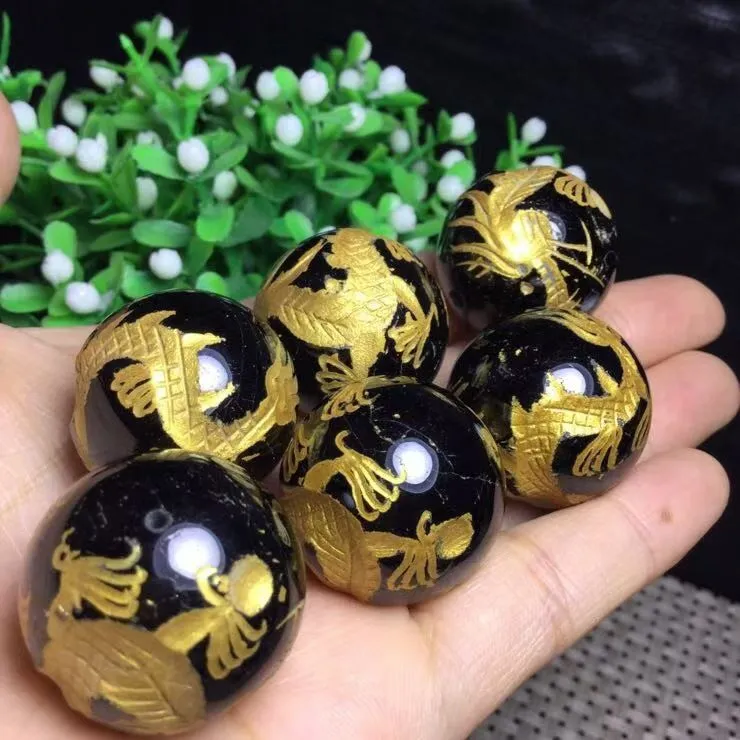
In some European countries, such as Italy and France, there is a long history of craftsmanship in the art of crystal carving. European artisans may use advanced machinery and precision tools to create highly accurate and sophisticated designs. They may also focus on creating large - scale and monumental pink crystal carvings for public spaces or high - end collectors.
Market Demand and Pricing
The differences in pink crystal carvings from different regions also affect market demand and pricing.
Carvings made from rare or high - quality pink crystals, such as those with exceptional clarity and color, are generally more expensive. Brazilian pink quartz carvings, with their vibrant color and high clarity, often command a premium price in the market. Collectors are willing to pay more for these pieces due to their aesthetic appeal and perceived value.
On the other hand, carvings with unique cultural designs or those created by well - known artisans may also have a higher price tag. For example, a pink crystal carving featuring a traditional Chinese dragon motif by a renowned Chinese master carver can be quite valuable.
The market demand for pink crystal carvings also varies by region. In Asia, there is a strong demand for carvings with cultural and spiritual significance, while in the West, the focus is more on modern and fashionable designs. As a supplier, I need to understand these market trends and offer a diverse range of pink crystal carvings to meet the needs of different customers.
Comparing with Other Crystal Carvings
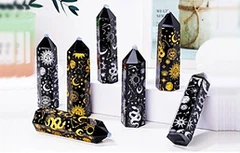
It's interesting to compare pink crystal carvings with other types of crystal carvings. For example, Black Obsidian Carving has a completely different appearance and energy. Black obsidian is a volcanic glass, and its carvings often have a dark, mysterious, and edgy look. In contrast, pink crystal carvings are soft, gentle, and inviting.
Crystal Goddess Carving typically represents a divine and spiritual figure. These carvings may be made from various types of crystals, including pink ones. The focus of a crystal goddess carving is on the representation of the goddess and the spiritual message it conveys. Pink crystal goddess carvings can add a touch of femininity and love to the spiritual symbolism.
Black Tourmaline Carving is known for its protective properties. Black tourmaline has a strong and grounding energy, which is different from the more nurturing and emotional energy associated with pink crystals. Carvings made from black tourmaline often have a more solid and robust appearance compared to the delicate nature of pink crystal carvings.
Conclusion
In conclusion, the differences between pink crystal carvings from different regions are vast and fascinating. From the geological characteristics of the crystals to the cultural influences on design and the unique artistic techniques, each region offers a distinct and valuable contribution to the world of pink crystal carvings.
As a supplier, I take great pride in offering a wide selection of pink crystal carvings sourced from various regions. Whether you're a collector looking for a rare and unique piece, a spiritual seeker in search of a meaningful symbol, or someone who simply appreciates the beauty of crystals, there's a pink crystal carving out there for you.
If you're interested in exploring our collection of pink crystal carvings or have any questions about our products, please feel free to contact us. We're always happy to assist you in finding the perfect piece that suits your needs and preferences. Start a conversation with us today and discover the enchanting world of pink crystal carvings!
References
- "The Encyclopedia of Crystals" by Judy Hall
- "Cultural Symbolism in Crystal Art" by Dr. Emily Carter
- "Geology and Crystal Formation" by Professor David Smith


