


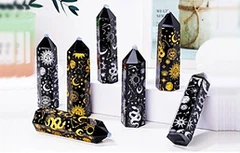




As a supplier of Energy Crystal Columns, I've encountered numerous inquiries regarding the regulatory requirements associated with these captivating products. In this blog, I aim to delve into the key regulatory aspects that govern Energy Crystal Columns, providing a comprehensive overview for both industry professionals and potential customers.
Understanding Energy Crystal Columns
Before we dive into the regulatory requirements, let's briefly understand what Energy Crystal Columns are. Energy Crystal Columns are decorative items known for their aesthetic appeal and purported energy - enhancing properties. These columns are crafted from various types of crystals, such as quartz, amethyst, and citrine, and are often used as Crystal Column Ornaments in homes or offices. They come in different sizes, shapes, and colors, making them a popular choice for interior decoration and those interested in crystal healing.


Regulatory Landscape
The regulatory requirements for Energy Crystal Columns can be broadly categorized into several areas: safety, environmental, and trade - related regulations.
Safety Regulations
Safety is of utmost importance when it comes to any consumer product, including Energy Crystal Columns. These products must comply with general safety standards to ensure they do not pose a risk to the end - user.
- Physical Safety: Energy Crystal Columns should be free from sharp edges or protruding parts that could cause cuts or injuries. The manufacturing process must ensure that the columns are stable and not likely to topple over easily, especially when placed on display. For example, if a column is top - heavy, it may be more prone to falling and causing damage or harm. Manufacturers are required to conduct quality control checks to ensure that the physical integrity of the columns meets safety standards.
- Chemical Safety: Since crystals can contain trace elements, it is crucial to ensure that these elements do not pose a chemical hazard. Some crystals may have naturally occurring substances that could be harmful if ingested or inhaled. For instance, certain minerals in crystals might release dust particles that could be a respiratory irritant. Therefore, suppliers need to test the crystal materials to ensure that they meet chemical safety limits set by relevant authorities.
Environmental Regulations
In today's environmentally conscious world, the production and sale of Energy Crystal Columns are also subject to environmental regulations.
- Sourcing of Crystals: The mining and extraction of crystals have an impact on the environment. Suppliers are increasingly expected to source crystals from mines that follow sustainable practices. This includes minimizing soil erosion, reducing water pollution, and protecting local ecosystems. For example, some mines implement reclamation programs to restore the land after mining operations are completed.
- Packaging: The packaging used for Energy Crystal Columns should also be environmentally friendly. This means using recyclable or biodegradable materials as much as possible. Avoiding excessive packaging not only reduces waste but also lowers the carbon footprint associated with transporting the products.
Trade - Related Regulations
When it comes to selling Energy Crystal Columns in different markets, there are trade - related regulations that suppliers need to be aware of.
- Import and Export Regulations: Different countries have their own import and export regulations for minerals and decorative items. Suppliers need to obtain the necessary permits and comply with customs requirements. For example, some countries may restrict the import of certain types of crystals due to concerns about illegal mining or the protection of endangered species (if the crystal is sourced from an area with protected habitats).
- Labeling and Certification: Energy Crystal Columns may need to be labeled correctly to provide information about the type of crystal, its origin, and any relevant safety or environmental certifications. This helps consumers make informed decisions and also ensures compliance with local trade laws. For example, if a column is made from a particular type of amethyst, the label should clearly state the origin of the amethyst and any certifications related to its quality or sustainable sourcing.
Compliance and Certification
To ensure compliance with these regulatory requirements, suppliers often seek relevant certifications.
- Safety Certifications: There are various safety certification bodies that can test and certify Energy Crystal Columns for physical and chemical safety. For example, the CE mark in Europe indicates that a product meets health, safety, and environmental protection standards. Suppliers can work with these certification bodies to have their products tested and certified, which can enhance the marketability of their Energy Crystal Columns.
- Environmental Certifications: Certifications such as the Forest Stewardship Council (FSC) for sustainable sourcing or the Green Seal for environmentally friendly products can be valuable for Energy Crystal Column suppliers. These certifications demonstrate a commitment to environmental responsibility and can give consumers more confidence in the product.
Impact on the Market
The regulatory requirements for Energy Crystal Columns have a significant impact on the market.
- Consumer Confidence: When consumers see that Energy Crystal Columns are compliant with safety and environmental regulations, they are more likely to trust the product. This can lead to increased sales and a positive reputation for the supplier. For example, a consumer may be more willing to purchase a Home Crystal Column if they know that it has been tested for safety and sourced sustainably.
- Market Differentiation: Suppliers who can demonstrate compliance with strict regulatory requirements can differentiate themselves from competitors. By obtaining relevant certifications and following best practices, they can position their Energy Crystal Columns as high - quality, environmentally friendly products. This can help them target a more discerning customer base and potentially command higher prices.
Conclusion
As a supplier of Energy Crystal Column, I understand the importance of complying with regulatory requirements. These regulations not only ensure the safety and environmental sustainability of the products but also contribute to the overall credibility of the market. By staying informed about the latest regulatory developments and investing in compliance, suppliers can build a successful business and meet the needs of consumers.
If you are interested in purchasing Energy Crystal Columns and would like to discuss our products in more detail, we welcome you to reach out for a procurement negotiation. We are committed to providing high - quality, compliant products that meet your specific requirements.
References
- International Council on Mining and Metals, "Sustainable Mining Practices Guidelines"
- European Union, "Safety Standards for Consumer Products"
- United Nations Environment Programme, "Environmental Regulations for Mineral Extraction"


