


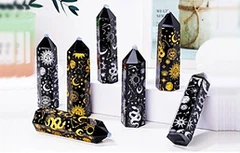




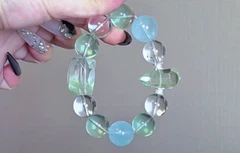

As a supplier of Crystal Art Painting, I've witnessed firsthand the transformative power of proper lighting on these exquisite artworks. Crystal Art Painting, a captivating form of art that combines the sparkle of crystals with creative designs, can truly come alive under the right illumination. In this blog, I'll explore what the best lighting for Crystal Art Painting is and how it can enhance the beauty and allure of these masterpieces.
Understanding the Nature of Crystal Art Painting
Before delving into the ideal lighting, it's essential to understand the unique characteristics of Crystal Art Painting. There are different types, such as Abstract Crystal Painting and Full Drill Crystal Rhinestone Diamond Painting. These artworks are made up of numerous small crystals or rhinestones that catch and reflect light in various ways. The crystals can be arranged in intricate patterns, creating a three - dimensional effect that is both visually stunning and dynamic.
The play of light on the crystals is what gives Crystal Art Painting its charm. It can highlight the colors, textures, and details of the painting, making it a focal point in any space. However, not all lighting is created equal when it comes to showcasing these artworks.
Types of Lighting and Their Effects on Crystal Art Painting
Natural Light
Natural light is often considered the purest form of illumination. It provides a full spectrum of colors, which can bring out the true hues of the crystals in the painting. During the day, sunlight can create ever - changing patterns of light and shadow on the artwork, adding a sense of movement and vitality.
Morning light, with its soft and warm tones, can give the Crystal Art Painting a cozy and inviting feel. It gently illuminates the crystals, making them appear to glow from within. On the other hand, afternoon sunlight is brighter and more direct. This can create a more dramatic effect, with sharp contrasts between the light and dark areas of the painting.
However, natural light also has its drawbacks. Direct sunlight can cause the colors of the crystals to fade over time, especially if the painting is exposed for long periods. Additionally, the intensity of natural light varies throughout the day and is affected by weather conditions, making it an inconsistent option for constant display.

Incandescent Lighting
Incandescent bulbs have been a traditional choice for lighting homes and galleries. They emit a warm, yellow - orange light that can create a cozy and inviting atmosphere. This type of light can enhance the warm tones in the Crystal Art Painting, making the crystals appear more vibrant and rich.
The soft, diffused light from incandescent bulbs can also reduce harsh shadows, which is beneficial for highlighting the details of the painting. However, incandescent bulbs are not very energy - efficient, and they generate a significant amount of heat. This heat can potentially damage the crystals or the backing of the painting over time.
Fluorescent Lighting
Fluorescent lights are energy - efficient and come in a variety of color temperatures. Cool - white fluorescent lights can provide a bright, even illumination that is suitable for displaying Crystal Art Painting in commercial settings. They can bring out the cool tones in the crystals and make the painting look fresh and modern.
However, fluorescent lights can sometimes produce a flicker, which can be distracting and may not be ideal for close - up viewing of the artwork. Additionally, the color rendering index (CRI) of some fluorescent lights may not be as high as other types of lighting, meaning they may not accurately represent the true colors of the crystals.
LED Lighting
LED lighting has become increasingly popular in recent years due to its energy efficiency, long lifespan, and versatility. LED lights come in a wide range of color temperatures, from warm white to cool white, allowing you to choose the lighting that best suits your Crystal Art Painting.
For Crystal Art Painting, a high - CRI LED light is recommended. A high CRI (Color Rendering Index) means that the light can accurately reproduce the colors of the crystals, making them look more vivid and true to life. LED lights also produce very little heat, which is beneficial for the longevity of the painting.
There are also LED strip lights that can be used to create a backlighting effect for the Crystal Art Painting. This can add a sense of depth and drama to the artwork, making it stand out even more.
Factors to Consider When Choosing Lighting for Crystal Art Painting
Color Temperature
Color temperature is measured in Kelvin (K). Lower color temperatures (around 2700K - 3000K) produce a warm, yellow - orange light, similar to incandescent bulbs. This is suitable for creating a cozy and inviting atmosphere and can enhance the warm tones in the painting.
Higher color temperatures (around 4000K - 6500K) produce a cool, white light, which can make the painting look more modern and fresh. It is often used in commercial settings or for highlighting cool - toned crystals.
Intensity
The intensity of the lighting is also crucial. Too much light can be overwhelming and may cause glare on the crystals, making it difficult to appreciate the details of the painting. On the other hand, too little light can make the painting look dull and unappealing.
A good rule of thumb is to aim for an illuminance level of around 300 - 500 lux for general viewing of Crystal Art Painting. For close - up inspection, a higher illuminance level of 500 - 1000 lux may be more appropriate.
Direction
The direction of the light can have a significant impact on the appearance of the Crystal Art Painting. Front - lighting can evenly illuminate the entire painting, making it easy to see all the details. However, it may not create as much depth or dimension.
Side - lighting can create a more dramatic effect by highlighting the three - dimensional nature of the crystals. It can also create interesting patterns of light and shadow, adding to the visual appeal of the artwork. Back - lighting, as mentioned earlier, can give the painting a sense of depth and make it stand out from the background.
Creating the Ideal Lighting Setup for Crystal Art Painting
In a Home Setting
In a home, you can use a combination of different lighting sources to create a balanced and visually appealing display. For example, you can use a pair of LED wall sconces with a warm color temperature to provide general illumination for the room. Then, you can add a small LED spotlight with a high CRI to focus on the Crystal Art Painting.
If you have a Crystal Art Painting displayed in a hallway or a narrow space, you can use LED strip lights along the top or bottom of the frame to create a soft, backlit effect. This can make the painting look more prominent and add a touch of elegance to the area.
In a Commercial Setting
In a gallery or a store, a more professional lighting setup is usually required. You can use track lighting with adjustable heads to direct the light precisely where you want it. LED track lights with a high CRI are ideal for this purpose, as they can provide bright, even illumination and accurately reproduce the colors of the crystals.
You can also use accent lighting to highlight specific areas or details of the painting. For example, if there is a particularly intricate pattern or a group of crystals that you want to draw attention to, you can use a small LED spotlight to shine on that area.
Conclusion
The best lighting for Crystal Art Painting depends on various factors, including the type of painting, the setting, and personal preference. However, in general, LED lighting with a high CRI and adjustable color temperature is often the most suitable option. It provides energy - efficient, long - lasting, and versatile illumination that can enhance the beauty and allure of these stunning artworks.
Whether you are a collector, an interior designer, or a business owner, choosing the right lighting for your Crystal Art Painting is essential for creating a visually appealing display. If you are interested in purchasing our high - quality Crystal Art Painting or have any questions about lighting and display, please feel free to contact us for further discussion and procurement negotiation.
References
- "Lighting for Art: A Guide to Choosing the Right Lighting for Your Artwork" by The Art Institute of Chicago.
- "The Science of Light and Color" by Dr. John Smith, a leading expert in lighting technology.
- Industry reports on lighting trends and their impact on art display.


