



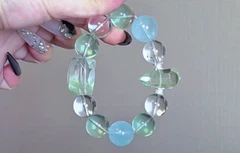

When it comes to crystal pillars, one of the most frequently asked questions is about their hardness. As a long - standing crystal pillar supplier, I've encountered this query countless times from both collectors and those new to the world of crystals. In this blog, I'll delve deep into what crystal pillar hardness means, how it's measured, and why it matters.


Understanding Crystal Hardness
Crystal hardness is a measure of a crystal's resistance to scratching, abrasion, and indentation. It is an intrinsic property that depends on the crystal's internal atomic structure and the strength of the bonds between its atoms. Different crystals have different hardness levels, which can range from very soft to extremely hard.
The most common scale used to measure crystal hardness is the Mohs scale of mineral hardness. Developed by German mineralogist Friedrich Mohs in 1822, this scale ranks minerals from 1 (softest) to 10 (hardest). Talc, for example, has a Mohs hardness of 1, which means it can be easily scratched by almost any other material. On the other end of the scale, diamond has a Mohs hardness of 10 and is the hardest known natural material, capable of scratching all other minerals.
Hardness of Common Crystal Pillars
Quartz Crystal Pillars
Quartz is one of the most popular materials for crystal pillars. It has a Mohs hardness of 7, which makes it relatively hard and durable. This hardness allows quartz crystal pillars to resist scratches from most common objects, such as keys or coins. Quartz is also chemically stable, which means it won't easily react with other substances in normal environmental conditions. This makes quartz crystal pillars suitable for long - term display and use. Whether you're using a Natural Crystal Column for decorative purposes or for its purported metaphysical properties, its hardness ensures that it will retain its beauty over time.
Obsidian Crystal Towers
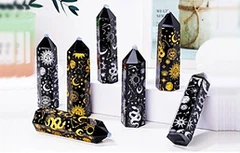
Obsidian is a volcanic glass formed when lava cools rapidly. It has a Mohs hardness of about 5 - 5.5. While not as hard as quartz, obsidian is still hard enough to be used for making crystal pillars. However, it is more prone to scratching compared to quartz. Obsidian's hardness can vary depending on its chemical composition and the cooling rate during its formation. The unique appearance of Obsidian Crystal Tower makes it a favorite among crystal enthusiasts, but due to its relatively lower hardness, it requires more careful handling.
Amethyst Crystal Pillars
Amethyst is a purple variety of quartz. Like other quartz crystals, it has a Mohs hardness of 7. The purple color of amethyst comes from trace amounts of iron and other impurities in the quartz structure. The hardness of amethyst crystal pillars makes them suitable for a variety of uses, from jewelry - making to home decor. They can withstand the rigors of daily handling and cleaning without significant damage.
Why Hardness Matters for Crystal Pillars
Durability
Harder crystals are more durable and less likely to be damaged during normal use. For example, if you're using a crystal pillar as a paperweight or for a decorative centerpiece, a harder crystal like quartz will be less likely to get scratched or chipped. This is especially important for collectors who want their crystal pillars to maintain their value and appearance over time.
Maintenance
The hardness of a crystal also affects its maintenance requirements. Softer crystals may need to be stored separately to prevent scratching from harder objects. They may also require more gentle cleaning methods. In contrast, harder crystals can be cleaned more vigorously and can be stored with other objects without as much concern for scratching.
Cutting and Shaping
During the manufacturing process, the hardness of a crystal determines how it can be cut and shaped. Harder crystals require more advanced cutting tools and techniques. For example, diamond - tipped saws are often used to cut quartz crystals because of their high hardness. Understanding the hardness of a crystal is crucial for creating well - crafted crystal pillars with precise shapes and smooth surfaces.
Measuring the Hardness of Crystal Pillars
As a supplier, we use a combination of methods to measure the hardness of crystal pillars. The most basic method is the scratch test, which involves using a series of minerals with known hardness values to scratch the crystal. If a mineral with a known hardness can scratch the crystal, then the crystal's hardness is lower than that of the testing mineral. However, this method is not very precise and can cause damage to the crystal.
For more accurate measurements, we also use advanced techniques such as indentation testing. In this method, a small indenter is pressed into the surface of the crystal with a known force, and the size of the indentation is measured. The smaller the indentation, the harder the crystal. This method provides a more quantitative measure of hardness and is often used in scientific research and quality control.
Caring for Crystal Pillars Based on Their Hardness
Soft Crystals
For softer crystals like obsidian, it's important to handle them with care. Avoid placing them in contact with harder objects. When cleaning, use a soft, dry cloth to gently wipe the surface. You can also use a mild soap and water solution, but make sure to dry the crystal thoroughly to prevent water spots.
Hard Crystals
Harder crystals like quartz can be cleaned more vigorously. You can use a soft - bristled brush to remove dirt and debris from crevices. However, even hard crystals can be damaged by extreme heat or sudden temperature changes. So, avoid exposing them to direct sunlight for long periods or placing them near heat sources.
Conclusion
In conclusion, the hardness of crystal pillars is a crucial factor that affects their durability, maintenance, and manufacturing process. As a crystal pillar supplier, we understand the importance of providing our customers with high - quality crystals that meet their needs. Whether you're looking for a Natural Crystal Column, an Obsidian Crystal Tower, or an Energy Crystal Column, understanding the hardness of these crystals will help you make an informed decision.
If you're interested in purchasing crystal pillars or want to learn more about them, feel free to contact us for a detailed discussion. We're here to assist you in finding the perfect crystal pillars for your collection or specific needs.
References
- "The Properties of Minerals" by Dana's System of Mineralogy
- "Gemstones: Identification, Properties, and Use" by Robert W. G. Wyckoff
- "Introduction to Crystallography" by Marvin J. Buerger


