




Hey there! I'm a supplier of Amethyst Carvings, and I've been in this business for quite a while. Over the years, I've learned a thing or two about how the color of amethyst can have a huge impact on the value of carvings. So, I thought I'd share my insights with you all in this blog post.
First off, let's talk a bit about amethyst itself. Amethyst is a purple variety of quartz, and it's one of the most popular gemstones out there. It's been used for centuries in jewelry, decorative objects, and of course, carvings. The color of amethyst can vary widely, from a very pale lilac to a deep, rich purple. And it's this color variation that plays a major role in determining the value of amethyst carvings.
The Role of Color Intensity
One of the key factors is the intensity of the color. Generally speaking, the deeper and more saturated the purple, the more valuable the amethyst carving is likely to be. A deep, vivid purple amethyst is rarer than a pale one, and that rarity drives up the price. When you're looking at a carving, a strong, intense color can really make it stand out. It gives the piece a sense of luxury and sophistication that a lighter-colored amethyst just can't match.
For example, I once had a customer who was really into high - end amethyst carvings. They were specifically looking for a piece with a deep, royal purple color. When I showed them a carving made from a pale lilac amethyst, they weren't very impressed. But as soon as I pulled out a carving with a rich, dark purple hue, their eyes lit up. They ended up purchasing that piece because the color was so much more striking and valuable to them.
Color Uniformity
Another important aspect is color uniformity. A carving with an even, consistent color throughout is more valuable than one with uneven or patchy color. When the color is uniform, it creates a more harmonious and aesthetically pleasing look. It shows that the amethyst used in the carving is of high quality.
Let's say you're looking at two amethyst sculptures. One has a beautiful, even purple color all over, while the other has some areas that are much lighter and others that are darker. The one with the uniform color is going to be more desirable. It takes more skill and better - quality raw material to create a carving with consistent color. So, if you see an amethyst carving with a perfectly even color, it's likely to command a higher price.
Color and Carving Style
The color of amethyst can also interact with the carving style. For more detailed and intricate carvings, a deeper color can enhance the details. The contrast between the shadows and the highlights in the carving is more pronounced with a dark - colored amethyst. This makes the details really pop and gives the carving a more three - dimensional look.
On the other hand, a lighter - colored amethyst might be better suited for more simple, minimalist carvings. The soft, delicate color can add a sense of tranquility and elegance to these types of pieces. For instance, a simple, smooth amethyst sphere in a pale lilac color can have a very calming and peaceful presence.
Comparing with Other Crystal Carvings
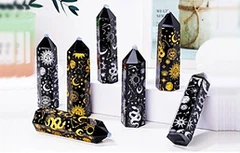
Now, let's compare amethyst carvings with some other types of crystal carvings. You might be interested in Silver Obsidian Carvings. Silver obsidian has a unique sheen and a different color palette compared to amethyst. While amethyst is all about the purple hues, silver obsidian has a more muted, gray - silver color. The value of silver obsidian carvings is determined by factors like the clarity of the stone and the quality of the sheen, which are quite different from what affects amethyst carving values.
Strawberry Quartz Carvings are another interesting option. Strawberry quartz has a pinkish color with small inclusions that give it a strawberry - like appearance. The value of these carvings depends on the intensity of the pink color and the distribution of the inclusions. In contrast, amethyst doesn't have these inclusions, and its value is centered around the purple color characteristics.
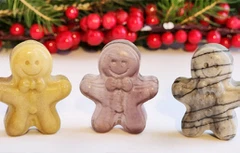
And then there are Christmas Crystal Carvings. These can be made from various types of crystals, and their value might be influenced by the design related to the Christmas theme as well as the quality of the crystal itself. Amethyst carvings, however, are mainly valued for their color and carving quality, rather than a seasonal theme.
Market Demand and Color
Market demand also plays a role in how the color of amethyst affects the value of carvings. Right now, there's a growing trend for deep - colored amethyst carvings. People are looking for pieces that make a statement, and a dark purple amethyst carving definitely does that. This high demand for deep - colored amethyst means that prices for these carvings are on the rise.
However, there's also a niche market for pale - colored amethyst carvings. Some customers prefer the softer, more delicate look of a lighter - colored amethyst. They might use these carvings in more understated or minimalist settings. So, even though the overall market might favor deep - colored amethyst, there's still value in the lighter - colored pieces for the right customers.


Conclusion and Call to Action
In conclusion, the color of amethyst has a significant impact on the value of carvings. Factors like color intensity, uniformity, and how it interacts with the carving style all come into play. Whether you're a collector, an interior designer, or just someone who loves beautiful crystal carvings, understanding how color affects value can help you make more informed purchasing decisions.
If you're interested in adding an amethyst carving to your collection or using one in your design project, I'd love to talk to you. I have a wide range of amethyst carvings in different colors and styles. Whether you're looking for a deep, royal purple piece or a soft, pale lilac one, I can help you find the perfect carving. Just reach out, and we can start a conversation about your needs and preferences.
References
- "Gemstones: A Collector's Guide" by Gemstone Publishing
- "The World of Crystal Carvings" by Crystal Arts Press


