


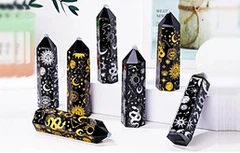





Hey there! I'm a supplier of Citrine Carvings, and today I want to chat about the impact of mining on the citrine we use in our beautiful carvings.
Citrine is a gorgeous yellow - orange variety of quartz that has been used in jewelry and carvings for ages. It's known for its warm, sunny color and is often associated with positive energy and prosperity. But have you ever thought about how this lovely gemstone makes its way from the ground to our workshops?
The Mining Process
First off, let's talk about how citrine is mined. Citrine can be found in several places around the world, including Brazil, Madagascar, and Russia. The mining methods vary depending on where it's located. In some areas, small - scale miners use simple tools like picks and shovels to dig into the earth. They look for veins of quartz that might contain citrine.
On the other hand, large - scale mining operations use heavy machinery. These operations are usually more efficient but also have a greater impact on the environment. They often involve open - pit mining, where a large area of land is excavated to access the citrine - bearing rock. This can lead to deforestation, as trees and vegetation are cleared to make way for the mining site.
Environmental Impact
The environmental impact of citrine mining is a big deal. When large areas of land are disturbed for mining, it disrupts the natural habitat of many plants and animals. For example, in some regions where citrine is mined, there are endangered species that are affected by the loss of their homes.
Water pollution is another major concern. Mining operations can release chemicals and heavy metals into nearby water sources. These pollutants can contaminate rivers, lakes, and groundwater, which not only affects the aquatic life but also the people who rely on these water sources for drinking and other purposes.
In addition, the energy consumption of mining is quite high. Heavy machinery needs a lot of fuel to operate, and this contributes to greenhouse gas emissions. As we all know, climate change is a global issue, and the mining industry plays a part in it.
Social Impact
Mining also has a significant social impact. In many areas where citrine is mined, local communities are affected. Sometimes, large - scale mining companies take over land that has been used by local people for generations. This can lead to conflicts over land rights and resources.
On the positive side, mining can create jobs. In some rural areas, mining is one of the main sources of employment. However, these jobs are often dangerous, with miners facing risks such as cave - ins, exposure to dust and chemicals, and other health hazards.
Moreover, the economic benefits of mining don't always trickle down to the local communities. A lot of the profits from citrine mining go to large companies or are exported, leaving the local people with little to show for the exploitation of their natural resources.
Quality and Availability
The mining process also affects the quality and availability of citrine for our carvings. Sometimes, the mining methods can damage the citrine crystals. For example, if heavy machinery is used too roughly, it can break or crack the crystals, making them unsuitable for high - quality carvings.
The availability of citrine can also be affected by mining regulations and environmental concerns. In some areas, stricter regulations have been put in place to protect the environment, which can limit the amount of citrine that can be mined. This, in turn, can lead to fluctuations in the price of citrine and make it more challenging for us, as suppliers, to source high - quality stones.
Our Role as a Supplier
As a Citrine Carvings supplier, we're aware of these issues, and we're trying to do our part. We're committed to sourcing citrine from mines that follow sustainable practices. We work with miners who are conscious of the environmental and social impact of their operations.
We also try to educate our customers about the origin of the citrine in our carvings. We believe that by being transparent, we can help our customers make more informed decisions. After all, they're not just buying a beautiful carving; they're also supporting a more sustainable and ethical supply chain.
Other Crystal Carvings
If you're interested in other types of crystal carvings, we've got some great options. Check out our Strawberry Quartz Carvings. They're unique and have a beautiful pinkish - red hue. And for something more seasonal, our Halloween Crystal Carvings are perfect. They're designed with spooky and fun themes. Also, don't miss our Amethyst Carvings. Amethyst is a popular purple - colored quartz that looks stunning when carved.
Contact for Procurement
If you're interested in purchasing our citrine carvings or any of our other crystal carvings, we'd love to hear from you. Whether you're a retailer looking to stock our products or an individual collector, we can offer you high - quality carvings at competitive prices. Reach out to us to start a procurement discussion.


References
- "Gemstone Mining and Its Environmental Impact" by International Gemological Institute.
- "Social and Economic Impacts of Mining in Developing Countries" by World Bank.
- "The Science of Quartz: Properties and Formation" by Mineralogical Society of America.


